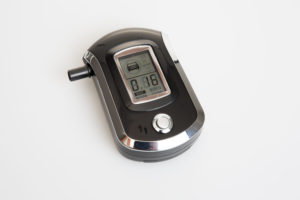
As it currently stands, almost every state in the nation has set the legal blood alcohol limit for drivers at 0.08%. However, there is one state – Utah – where the threshold is lower, as they’ve set the legal driving limit at 0.05%. Recently, we learned that Illinois lawmakers are considering a proposal that would see their state follow suit. If it passes, will more states follow through, and can we expect the nationwide threshold to soon drop to 0.05%? We take a closer look at that possibility in today’s blog.
Lowering The Legal Limit
House Bill 4333 would:
“Amend the Illinois Vehicle Code. Provides that if, at the time an act is alleged to have been committed by any person while driving or in actual physical control of a vehicle while under the influence of alcohol, there was an alcohol concentration of 0.05 (rather than 0.08) or more, it shall be presumed that the person was under the influence of alcohol.”
Essentially, the change says that a driver will be presumed to be under the influence of alcohol if they have a BAC over 0.05%, which can be obtained after only a drink or two. The change is already in place in Utah, and authorities noted that they saw a 19.8% decrease in fatal traffic accidents after the change, alongside a 6% increase in DUI arrests. That said, the drinking culture is quite different in Utah compared to most of the Midwest, where a beer at a youth hockey game or while mowing your lawn isn’t uncommon. A report from the National Institute on Alcohol Abuse and Alcoholism found that alcohol consumption in Illinois is more than double the rate in Utah, so any change is likely to lead to a major uptick in DUIs.
The bill is sponsored by Rep. Daniel Didech, D-Buffalo Grove, and Rep. Joyce Mason, D-Grayslake. It seems unlikely that the bill will pass the Illinois House of Representatives, but stranger things have happened, especially when such a small number of lawmakers are making choices that impact the entire state.
Any change in Illinois would have no immediate effect on the DUI laws here in Minnesota, but lawmakers would certainly be keeping a close eye on how things play out in Illinois. If traffic fatalities drop significantly and DWI arrests don’t see a huge increase, perhaps a similar move would be considered, but it seems likely that most of the Midwest would stick with the same standard as the majority of the nation for the foreseeable future.
Just remember, you can still earn a DUI even if your blood alcohol concentration is below 0.08, so know that the legal limit isn’t exactly set in stone! If you’re fighting a DUI charge or a related traffic offense, pick up the phone and connect with Avery and the team at Appelman Law Firm today at (952) 224-2277.