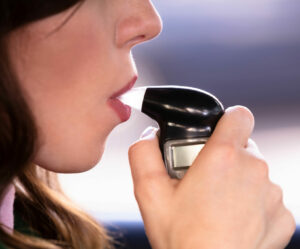
We like to assume that technology works well in this day and age, but no good defense lawyer has blind faith in technology, especially when the information these tech devices provide can be used to convict their client. One piece of technology that is frequently involved in our DWI cases is a breathalyzer, which measures a person’s blood alcohol content. Assuming the data is accurate, a breathalyzer can pinpoint whether or not someone is driving under the influence. Conversely, if the readings they provide are not perfect, a person can be wrongfully convicted.
If you’re facing a DWI charge, you should always consider that the data provided by a breathalyzer could be incorrect. But how can you prove this and challenge the results? We take a closer look at how you can challenge breathalyzer results in today’s blog.
Challenging Breathalyzer Data
There are a few different ways you can go about challenging breathalyzer results, but our best advice is to connect with a lawyer who can take the case and really explore this as an option. Given the data a breathalyzer provides, the stakes are much higher in a DWI case. You might want to challenge the accuracy of a radar gun for your speeding case on your own, but in a DWI case, you have a lot more to potentially lose if convicted, so bring in an expert to really analyze the technology and see if challenging the results is a viable option.
Here’s a look at some of the ways a lawyer may look to challenge the validity of breath test results:
Machine Calibration And Service – Similar to how you might take a hunting rifle in to a shop to be professionally re-sighted every so often, breathalyzer devices need to be serviced and calibrated at specific intervals to ensure they are still delivering accurate results. If your lawyer reviews the calibration logs or service records and finds that the machine has not been properly maintained, they may be able to argue that any results collected during that time are inherently not trustworthy enough to support a conviction.
Officer Reports And Observation Requirements – In Minnesota, officers are required to observe a suspect for at least 15 minutes prior to administering a breathalyzer test. This ensures any residual mouth alcohol does not compromise the device’s ability to get an accurate reading. If the observation period or similar advisory protocols are not followed, the results collected from the tests may not be admissible in court.
Environmental and Medical Factors – Sometimes outside factors can influence the results of a breath test as well. Very cold temperatures can affect the device’s ability to get an accurate reading, while people with certain medical conditions like acid reflux may find it hard to provide an accurate reading with a standard breath test. Your lawyer will look into these outside factors to determine if there is a potential avenue for challenging the validity of the results.
Probable Cause – Finally, the results from your breath test may be thrown out if it turns out there was a due process violation or police did not have probable cause to conduct a traffic stop in the first place. The ends can’t simply justify the means; there are protocols that need to be followed in order for a lawful and just traffic stop and investigation to take place. If police commit a rights violation during the course of your arrest, the whole case – breath test results included – may be thrown out.
Minnesota DWI Lawyers
Attacking the accuracy of breath test results is just one way a lawyer will work to defend you against the charges, and we’re confident that we can find a defense plan that helps you avoid a worst case scenario. For more information about contesting a DWI charge in Minnesota, reach out to Avery and the team at Appelman Law Firm today at (952) 224-2277.