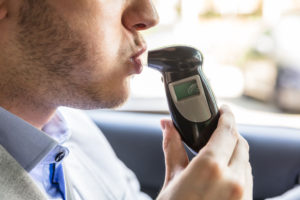
An ignition interlock device may allow you to maintain more driving privileges in the wake of an alcohol-related traffic matter, and the technology around these devices is always evolving. Original models only forced a driver to blow into the device prior to starting the vehicle, but a person could work around those devices pretty easily. They could have a friend blow into the device or they could start drinking as soon as the vehicle started, both of which meant other drivers remained at an elevated risk on the road.
Nowadays, ignition interlock devices are equipped with cameras to ensure the person who is supposed to be blowing into the device is actually doing so, and they also require “rolling” tests throughout the drive. But what are these rolling tests, and what should drivers with an IID know about these rolling tests? We answer those questions in today’s blog on ignition interlock device rolling tests.
What Are Rolling IID Tests?
If you have an ignition interlock device, you will be required to submit rolling tests when prompted by the device. These tests essentially ask you to submit another breath sample while the car is in continuous use. This is to ensure the driver was and is still under the legal limit. It may sound like overkill, but again, you’re being allowed to maintain driving privileges in the wake of an alcohol-related driving offense, so it’s not unreasonable to ask a driver to acquiesce to a rolling test.
So what should drivers know about these tests? For starters, your first breath test with the vehicle will not be a rolling test. In order for the engine to start, you will need to submit a breath sample in the parked vehicle. The car will not start until you’ve passed this initial test, meaning a rolling test will never be the first sample you submit on your IID.
The main question that people have when it comes to rolling IID tests is when it comes to their frequency and safety. As it stands with the Minnesota IID program, your first rolling test will be issued within 5-7 minutes of your drive, so you can expect to be prompted pretty soon after you start your trip. Assuming you pass that rolling test, you will face subsequent rolling retests throughout your drive. These will be triggered randomly, between 15-45 minutes for the duration of your drive.
When a rolling test is required, which will be signaled by audio and visual cues on the device, the driver has 10 minutes to submit a sample for collection. You can submit the sample while driving, but if it is unsafe to do so, you have some time to find a safe location to pull over and submit it. If you do not submit a sample within the 10-minute window, it will be logged as a failed test. Three failed tests within a 7-day period triggers an extension of the Ignition Interlock Device Program.
There’s no excuse for missing a required rolling test. Don’t leave your car unattended to warm up or keep it running while you stop over at a friend’s house, because this can lead to failed tests and an extension or disqualification from the IID program.
If you have questions about rolling IID tests or other aspects of the IID program in Minnesota, reach out to the team at Appelman Law Firm. We’ve helped countless clients fight DUI charges and find the right path forward following a conviction, and we can do the same for you. Give our office a call today at (952) 224-2277 for more information.